How to Measure Your Dog

Three numbers, a soft tape measure and about three minutes. Get these right and the cart fits on day one. Get them wrong and you will be sending it back — wrong fit is the single most common reason a dog wheelchair gets returned, across every brand at every price.

Before you start

  • Use a soft tape measure — the fabric kind used for sewing. A metal builder's tape will not curve around your dog and will give you a number that is too short.
  • Have your dog standing, weight on all four legs if they can manage it, head level, looking forward. If your dog cannot stand unsupported, have someone hold them under the chest and belly so the spine is level. A sitting or lying dog will give you numbers that are two to three inches out.
  • Measure on bare fur, not over a coat or harness.
  • Do it twice. If the two readings differ by more than half an inch, do it a third time.

Measurement 1 — Hip height

Floor to the top of the hip. Find the highest point of the hip bone — run your hand along the back until you feel the bony ridge just in front of the base of the tail. Measure straight down from there to the floor, keeping the tape vertical.

This sets the wheel height. It is the number that decides whether the back paws clear the ground or keep scraping. An inch too low and the cart drags. An inch too high and your dog is on tiptoe at the front.

The mistake most people make: measuring to the top of the back rather than the hip, or letting the tape angle outward at the bottom. Keep it plumb, straight down.

Measurement 2 — Back length

Base of the neck to the base of the tail. Start where the collar naturally sits, between the shoulder blades, and run the tape along the spine to the point where the tail joins the body.

This sets the frame length. Too long and the harness pulls backwards, the shoulders take the load, and most dogs simply sit down rather than walk. Too short and the frame crowds the hind legs.

The mistake most people make: measuring to the tip of the tail instead of the base. Stop where the tail starts.

Measurement 3 — Chest girth

All the way around the deepest part of the ribcage, just behind the front legs. Snug, not tight — you should be able to slide two fingers flat under the tape.

This sets the harness. It decides where the straps sit and whether they rub. Chafing behind the front legs after a few days is almost always a girth that was guessed rather than measured.

Weight is useful, but it is not a size

Nearly every wheelchair on the market sizes by weight alone. It is the fastest way to get the wrong cart. A 25 lb Dachshund and a 25 lb Corgi weigh the same and are nothing alike: one is long and low, the other is short and deep-chested. Same “Small” on a weight chart, two completely different frames in reality.

Weight still matters — it tells us how much load the frame carries — so note it down. It is just the fourth number, not the first.

Write these down

What Your dog
Hip height (floor to top of hip) ______ in
Back length (neck to base of tail) ______ in
Chest girth (behind front legs) ______ in
Weight ______ lb
Which legs still work ______

A note on front legs

Our carts are rear-support and full-support. If your dog has lost strength in the front legs as well, or is managing a condition that will progress to the front legs, a rear-support cart is the wrong tool and we will tell you so. In that case a custom-built quad cart from a specialist maker is worth the extra money. We would rather say that now than take your order.

What to do next

Take your four numbers to the size finder — it takes about ninety seconds and tells you the frame and strap setup for your dog. Then a person checks the numbers before anything ships.

If you would rather not measure alone, email cgc@post.com a photo of your dog standing side-on with something for scale in the shot — a ruler, a shoe, a soda can — and we will take the measurements off it for you.

Three numbers, three minutes

How to measure your dog

A soft tape measure and someone to hold a treat. That's the whole kit. Take all three numbers in the same session — a dog who shifts position between measurements is the most common reason a size comes out wrong.

Before you start

If your dog can't hold themselves up, lay them on their side and gently position the back legs as if they were standing normally. Measuring a dog in a collapsed position is what produces a frame that's too short.

  1. 1

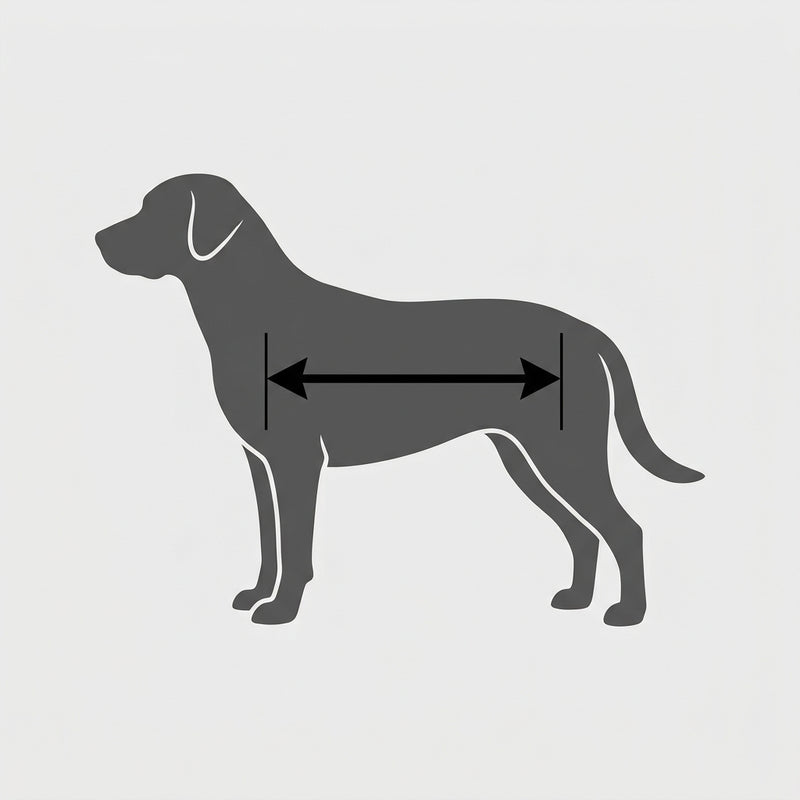
    Length: armpit to rump

    Length: armpit to rump

    From the crease at the back of the front leg, straight along the body, to the base of the tail. Keep the tape flat against the side rather than following the curve of the belly.

    Where people go wrongMeasuring to the tip of the tail instead of where it joins the body. That adds several inches and pushes you a whole size too large.

  2. 2

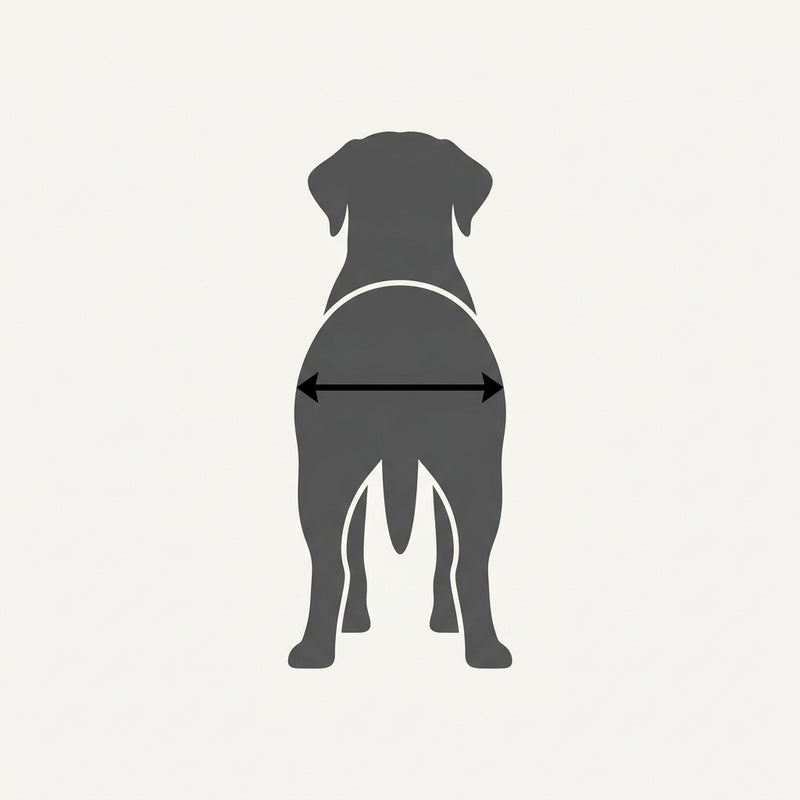
    Width across the hips

    Width across the hips

    Stand behind your dog and measure the widest point across the hips. Press the tape lightly against the fur rather than pulling it tight.

    Where people go wrongMeasuring across the ribs instead of the hips. On deep-chested breeds the ribs are wider, and the frame ends up loose at the back where it matters most.

  3. 3

    Height: floor to the top of the hips
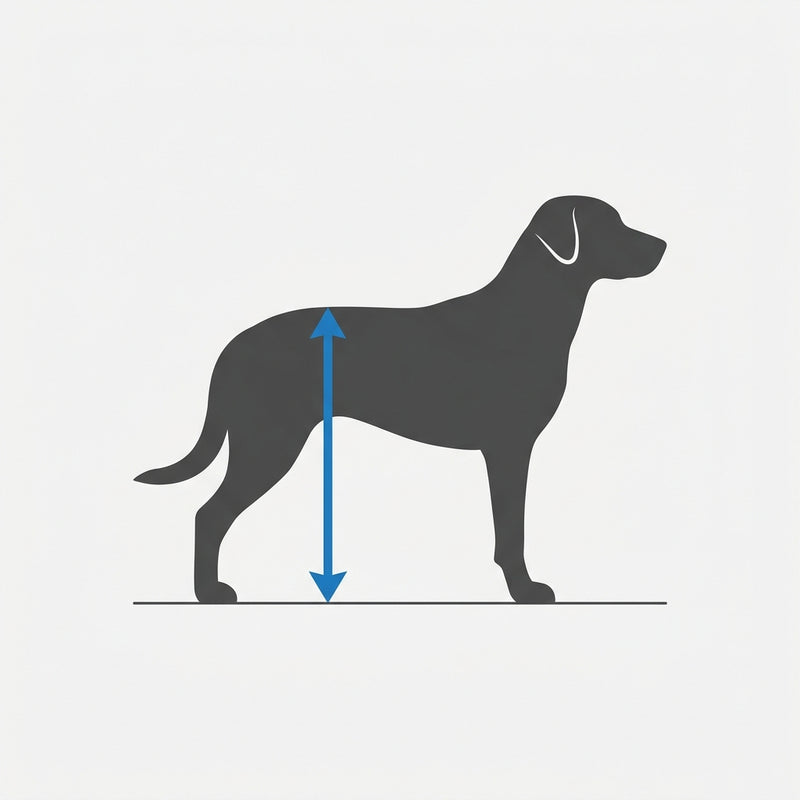
    Height: floor to the top of the hips

    With the back legs positioned as if standing, measure from the ground to the highest point of the hip. This is the number that sets the ride height, so take it twice.

    Where people go wrongTaking this one while the dog is sitting or collapsed. If they can't stand, hold the rear in a natural standing position first — a low number here means the cart sits too low to take any weight.
Send us your three numbers before you order. A person here checks them against the size you picked, and if something looks off for your breed we'll come back to you rather than ship it anyway.

Free 90-day returns

If the fit isn't right, send it back. No restocking fee, no argument.

A real person checks your numbers

Send us your dog's measurements before you order and we'll confirm the size ourselves.

Adjusts as they change

Height, length and width all adjust at home — so the frame keeps fitting as your dog's condition changes.

Not ready to order?

Not ready yet? We'll send the measuring guide.

Plus honest advice on what to expect as things change. No daily emails, no pressure — unsubscribe whenever.

  • The three measurements, with photos of exactly where to put the tape
  • A printable size chart you can take to the vet
  • What the first week in a cart actually looks like

We'll email you the guide and occasional advice about mobility loss. We never sell your details, and one click unsubscribes you for good.